


The Unsung Heroes of Cast Film Extrusion: Vacuum Boxes and Air Knives
2026.07.31Die Design & Tech
Microwave meal trays have become a popular choice for people looking for a quick and convenient meal. But nothing is more frustrating than struggling to peel off the lidding film. That thin layer of film may seem simple, its inner sealing layer must provide a strong seal while still allowing for easy peelability—a balance that requires highly sophisticated processing.
Lidding films are just one example. Many everyday products rely on plastic films, including snack packaging, bakery films, food and pharmaceutical barrier films, label films, electrical insulation films, and even the base film used for common packaging tapes.
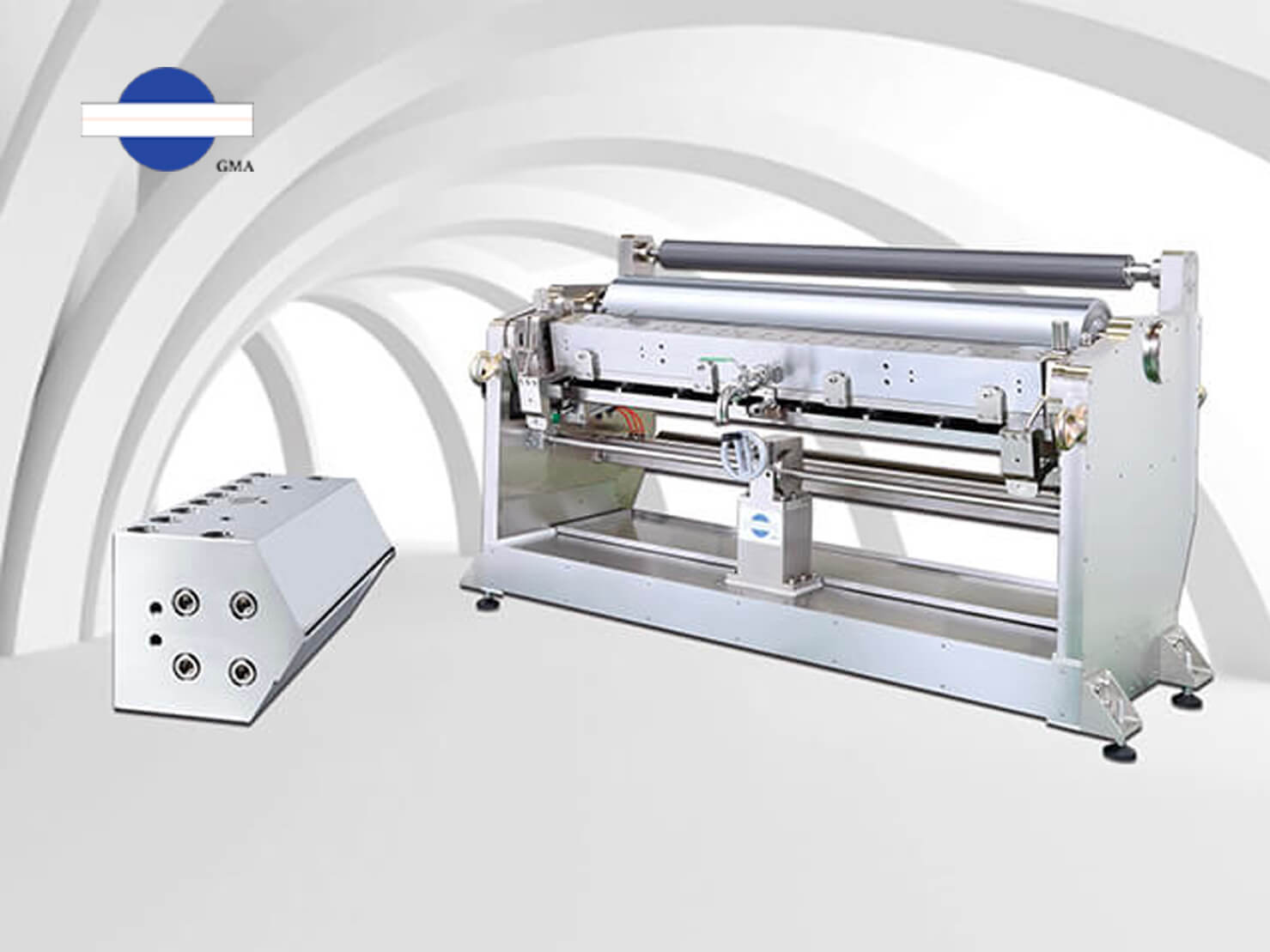
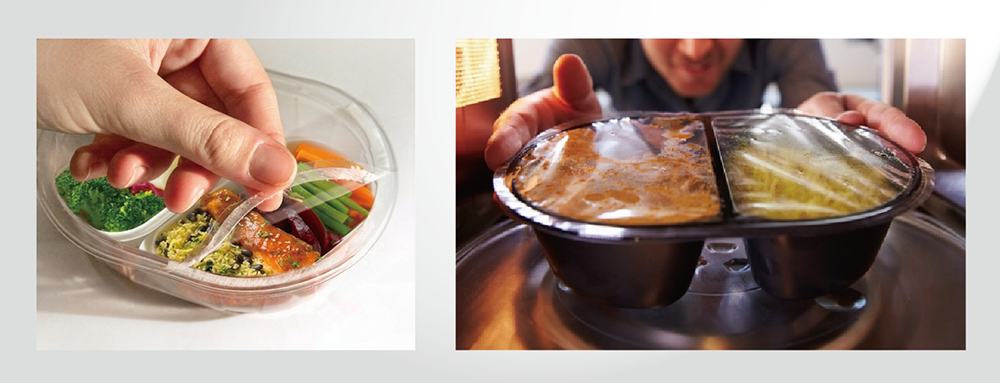 A seemingly
simple lidding film is the result of numerous precision manufacturing
processes.
A seemingly
simple lidding film is the result of numerous precision manufacturing
processes.
Plastic films represent the largest segment of the plastics industry, with a global market value of approximately USD 250 billion. Film production is primarily divided into two manufacturing methods: blown film extrusion and cast film extrusion. Among them, cast film extrusion is widely preferred for applications requiring high productivity, excellent thickness uniformity, and superior optical clarity.
Every movie or novel has its leading characters, but memorable supporting characters are often the ones that make the story complete by highlighting the strengths of the protagonists. A cast film extrusion line is no different. The extrusion die and the chill roll are undoubtedly the leading actors, each indispensable to the process. Equally important, however, are the industry's "supporting characters"—the vacuum box and the air knife—which play a crucial role in ensuring stable production and high-quality film.
Read More: Functional Films: Materials Define the Process, and the Process Defines Your Competitive Position
One of the Unsung Heroes of Cast Film Extrusion: The Vacuum Box
People naturally remember the main characters of a story, while the supporting cast often goes unnoticed. The same is true in cast film extrusion—vacuum boxes and air knives are essential auxiliary components that are frequently overlooked despite their critical contributions to production stability and product quality.
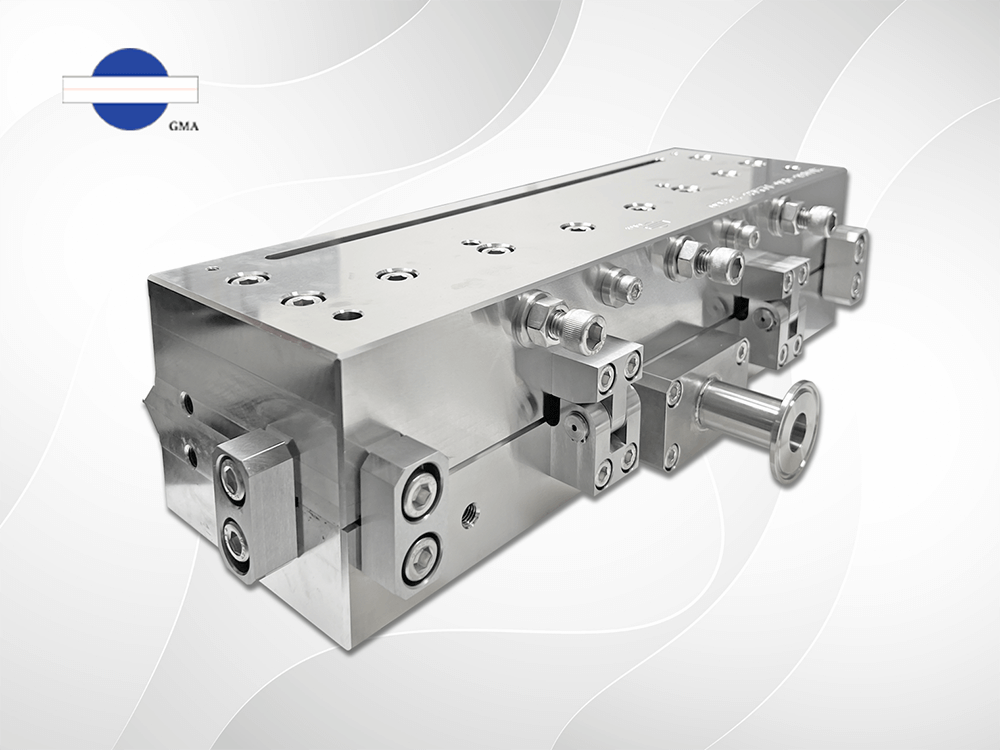
Among the two, the vacuum box is perhaps the more familiar component. It is typically used in conjunction with a film extrusion die, mounted directly beneath the die body and partially enclosing the surface of the chill roll. In industrial practice, the most common configuration is a dual-chamber design, consisting of a primary chamber and a secondary chamber.
A vacuum box generally incorporates several key design features, including:
**Distribution chamber, which ensures uniform airflow distribution across the full machine width.
**Thermal insulation plate, designed to minimize airflow interference between the primary and secondary chambers while preventing excessive heat transfer from the die to the vacuum chamber.
**Airflow control valves, allowing operators to precisely adjust the vacuum level and airflow according to different production conditions.
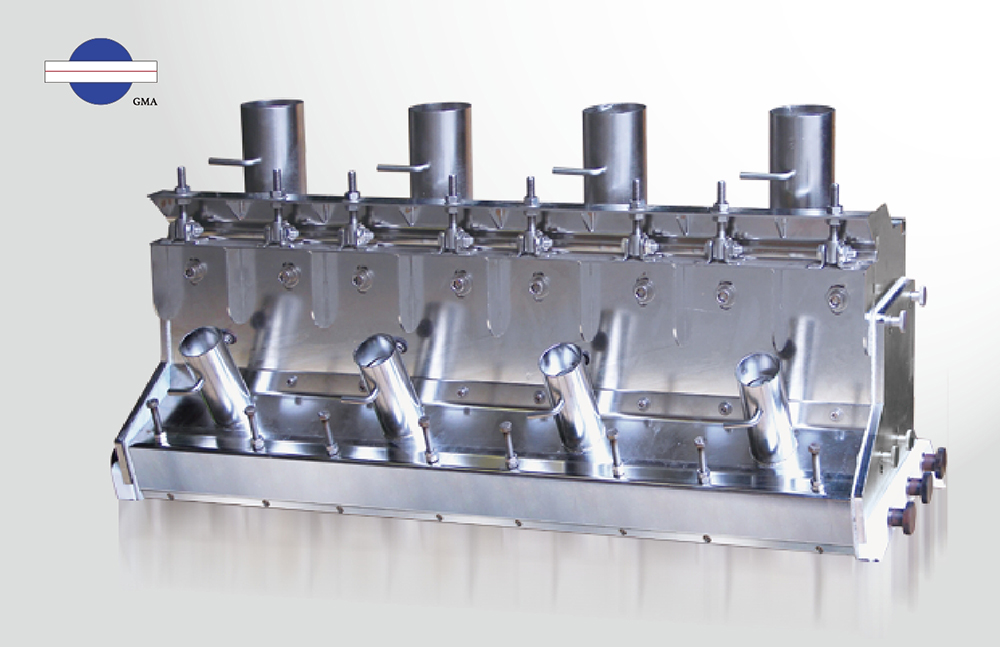 Vacuum boxes
are typically used with cast film extrusion dies, with dual-chamber designs
being the most common configuration in industrial applications.
Vacuum boxes
are typically used with cast film extrusion dies, with dual-chamber designs
being the most common configuration in industrial applications.
Because cast films are extremely thin, the molten polymer leaving the die lips is not only subjected to natural shrinkage caused by temperature changes but is also highly susceptible to disturbances from the surrounding airflow. As a result, the molten web can become unstable and flutter before reaching the chill roll.
To minimize this effect, processors generally reduce the air gap—the distance between the die lips and the chill roll—as much as practical. However, mechanical limitations prevent this gap from being reduced indefinitely.
This is where the vacuum box, as one of the line's indispensable supporting components, plays its role. By generating a uniform negative pressure, it removes the air carried by the rotating chill roll while gently drawing the molten film toward the roll surface. This promotes earlier and more stable contact between the film and the chill roll, increases the effective contact area, enhances heat transfer efficiency, and ultimately improves thickness uniformity.
For cast film lines producing high-clarity and optically demanding films, the vacuum box is not merely an optional accessory—it is an essential component for achieving stable production and consistent product quality.
To maximize its performance, the vacuum box is typically mounted directly onto the extrusion die, ensuring precise alignment between the die, vacuum chamber, and chill roll. From a user's perspective, sourcing both the extrusion die and the vacuum box from the same manufacturer helps minimize risks associated with design incompatibility, dimensional differences, and machining tolerances that may arise when components are supplied by different vendors.
The Air-Made Blade: Another Unsung Hero of Cast Film Extrusion—The Air Knife
The perfect companion to the vacuum box is the air knife. Its name is closely tied to its function as one of the line's most important supporting components.
An air knife delivers a high-velocity, uniform sheet of air through a long, narrow slot, directing the airflow precisely to the contact area between the molten film and the chill roll. Acting like a finely sharpened blade made entirely of air, it provides accurate control of the airflow exactly where it is needed. This unique operating principle is also the origin of its descriptive name—the "air knife."
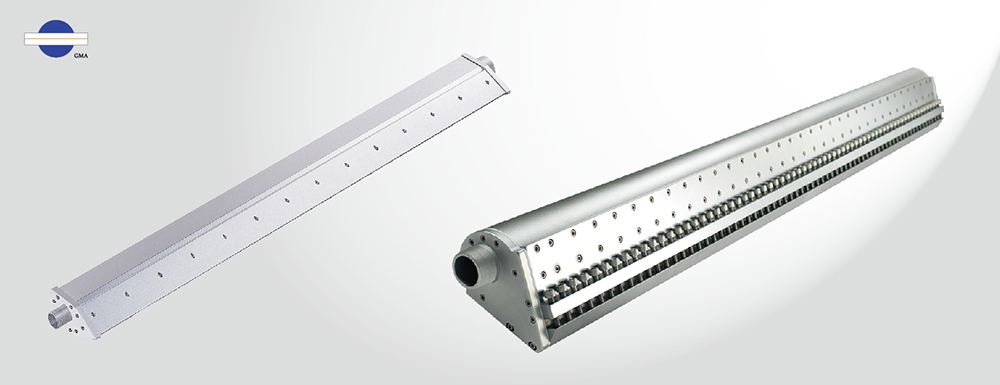 The air
knife derives its name from the blade-like sheet of air discharged through its
narrow slot. When used together with a vacuum box, it helps improve film
stability and overall product quality.
The air
knife derives its name from the blade-like sheet of air discharged through its
narrow slot. When used together with a vacuum box, it helps improve film
stability and overall product quality.
The extrusion die and vacuum box are both passive, stationary components, while the chill roll is a dynamic component rotating continuously through 360 degrees. As the chill roll rotates, it carries the surrounding air along with its surface. The faster the production line runs, the greater the volume of air that is drawn into the contact area
This creates turbulent and interfering airflow between the film and the chill roll. As a result, when the molten film approaches the roll, it may first come into contact with a layer of air rather than directly contacting the roll surface, reducing cooling efficiency. Because the vacuum box only covers one side of the contact area, air entering from the opposite side may become trapped between the film and the chill roll. This phenomenon is commonly known as air entrapment.
Read More: Three common issues to the usage of extrusion die
The air knife is usually installed opposite the vacuum box. Its first function is to help remove airflow disturbances from the area not covered by the vacuum box. Its second function is to apply gentle, controlled air pressure to the film, guiding it toward the chill roll and promoting stable laydown.
In addition, the narrow outlet slot of the air knife produces a highly uniform sheet of air. This airflow resembles not only a thin blade but also a fixed air line running parallel to the chill roll. It helps stabilize the contact line across the entire film width, allowing the film to contact the chill roll consistently and supporting uniform thickness from extrusion through winding.
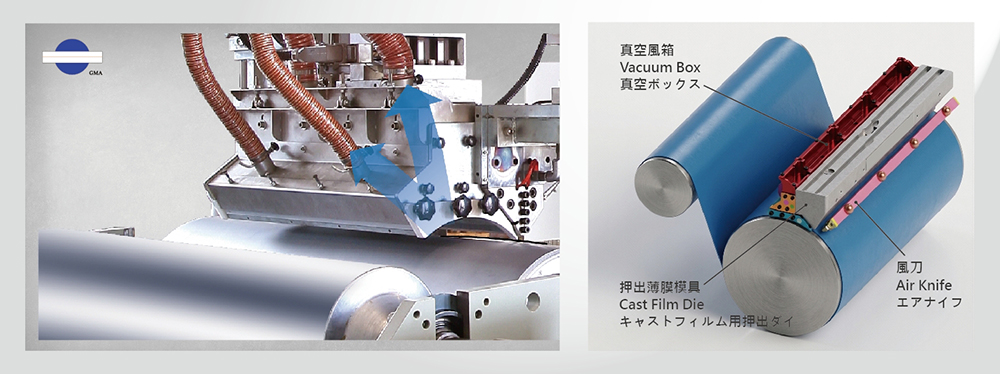 The
extrusion die, vacuum box, and air knife work together as an integrated system
to stabilize film quality.
The
extrusion die, vacuum box, and air knife work together as an integrated system
to stabilize film quality.
Special Feature: Electrostatic Pinning—A Dedicated Option for Optical Films
Another system frequently used together with a vacuum box is electrostatic pinning. It is commonly applied to optical films, particularly those made from PET, including substrates for display backlight modules, protective films, and release films.
For PET optical films, rapid quenching is required to suppress crystallization and achieve high transparency. Since PET itself can carry an electrical charge during processing, systems that generate an electrostatic field through a wire electrode or ribbon electrode are often the preferred choice. The electrostatic force draws the molten film firmly toward the chill roll, enabling precise and stable laydown.
Vacuum boxes, air knives, and electrostatic pinning systems are auxiliary mechanisms developed specifically for cast film extrusion. When combined with one of the key components of the cast film line—the extrusion die—they form an effective system for achieving both high productivity and consistent film quality.
Each of the Three Supporting Systems Has Its Own Strengths—So How Should You Choose?
Recommended Auxiliary Systems for Cast Film Extrusion Lines
The following combinations are general recommendations rather than absolute rules. The most suitable equipment should be selected based on a comprehensive evaluation of the actual production conditions.
|
Vacuum Box |
Air Knife |
Electrostatic Pinning |
|
|
Primary function |
Creates negative pressure to reduce airflow disturbance |
Directs airflow downward to help the film lay onto the chill roll |
Uses electrostatic force to draw the film toward the chill roll |
|
Suitable conditions |
Insufficient film laydown |
Film web is prone to fluttering |
Precise film laydown at high line speeds |
|
Common materials |
PP / PE |
PP / PE / TPU / PLA |
PET / PETG, particularly optical or high-clarity films |
|
Line speed Values are for reference only and must be evaluated according to actual production requirements. |
Medium to high speed100–200 m/min |
Low to medium speed Below 100 m/min |
High speed Above 200 m/min |
|
Cost and maintenance complexity |
Medium |
Low |
High |
Read More: Simple but not simple- Extrusion die for CPP film
In a great movie or novel, the ending is often not the most important part. What truly makes the story compelling is the interaction between the leading and supporting characters.
The same applies to an extrusion line. In addition to the operator’s professional expertise, highly compatible equipment and a complete system design are indispensable for maximizing production efficiency and achieving consistent product quality.